
Difference between Non-Emergency Medical Transportation and 120 Pre-hospital Emergency Care: 5 Key Criteria Families Must Know Before Booking
When a family member falls ill and needs transportation, many relatives immediately call 120. However, not all medical transport falls within the scope of 120 services. Understanding the boundaries between these two types of services helps families request the right vehicle and use resources appropriately. This article covers five key dimensions—legal responsibilities, applicable scenarios, equipment capabilities, cost structures, and booking methods—to help families quickly determine which service to use.
When a family member falls ill and needs transportation, many relatives first call 120. However, not all medical travel falls within the scope of 120 services. Understanding the boundaries between these two types of services helps families request the right vehicle and use resources appropriately when needed.
What are the statutory duties of 120 pre-hospital emergency services?
120 prehospital emergency services are an integral part of the national public health system, managed uniformly by local health authorities. Their statutory mandate is to respond to life-threatening emergencies such as cardiac arrest, severe trauma, and acute stroke. Emergency vehicles are equipped with critical care devices including defibrillators, cardiac monitors, and ventilators, staffed by emergency physicians and nurses who provide immediate treatment on-site.
The design logic of this system is "emergency rescue." With limited resources, they must be reserved for those in the greatest need. The National Health Commission has repeatedly highlighted in public documents that non-emergency demand long-term crowds out 120 resources, prolonging response times for critically ill patients.
When should non-emergency medical transport be used?
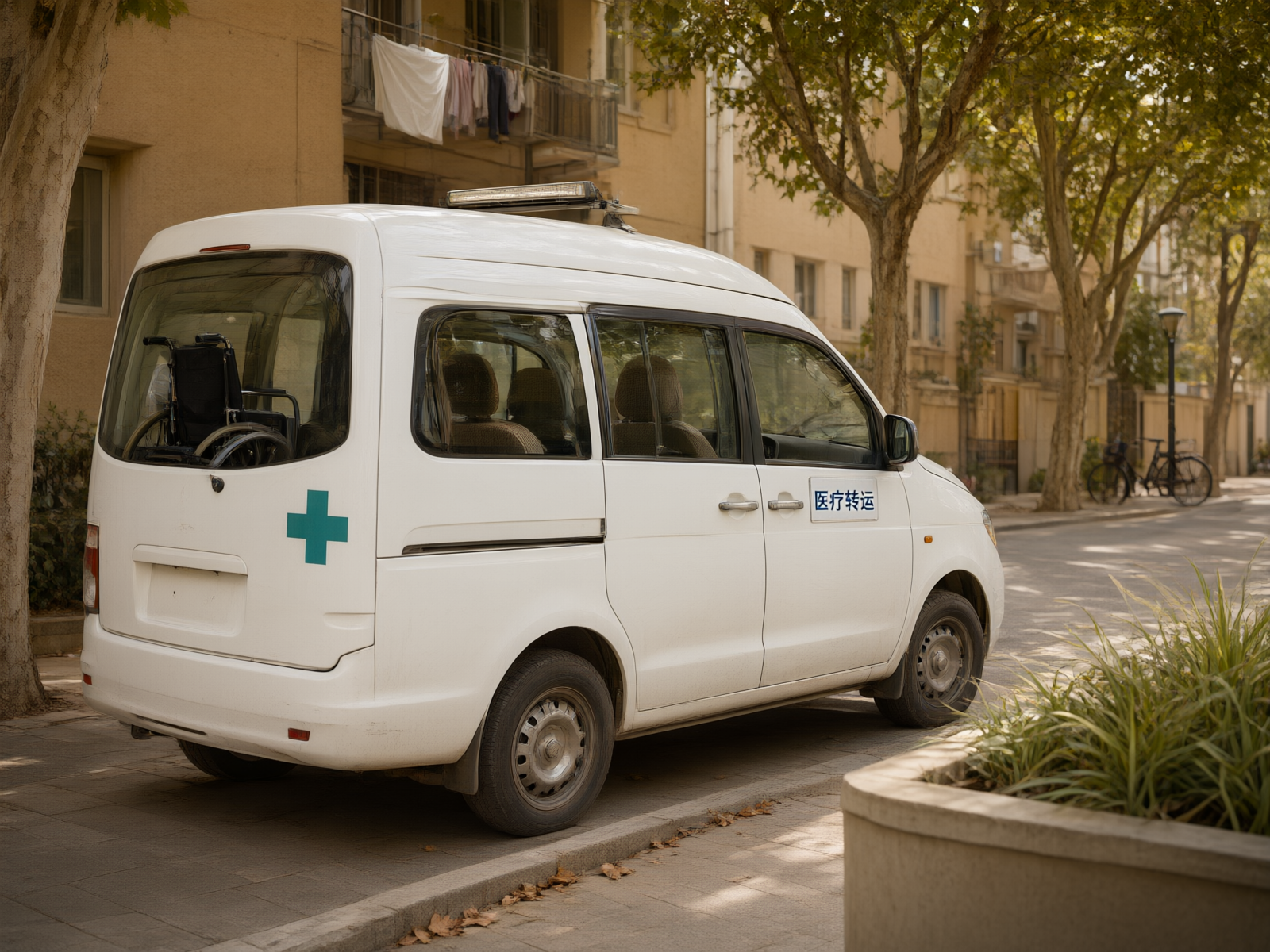
Non-emergency medical transport serves patients who are stable and do not require emergency care but need professional medical accompaniment. Typical use cases include: discharge from hospital to home, regular dialysis or chemotherapy appointments, transfers between facilities during rehabilitation, cross-province transfers for continued treatment, and follow-up visits for elderly patients with limited mobility.
Common characteristics of these scenarios: patients are not life-threatening but are unfit for standard transport, requiring stretcher or wheelchair assistance, or basic medical monitoring.

What are the differences in equipment configuration and personnel qualifications between the two vehicle types?
120 ambulances are equipped for emergency rescue. Onboard equipment includes defibrillators, invasive ventilators, cardiac monitors, and emergency medication kits. The crew consists of licensed physicians and nurses trained in pre-hospital emergency care.
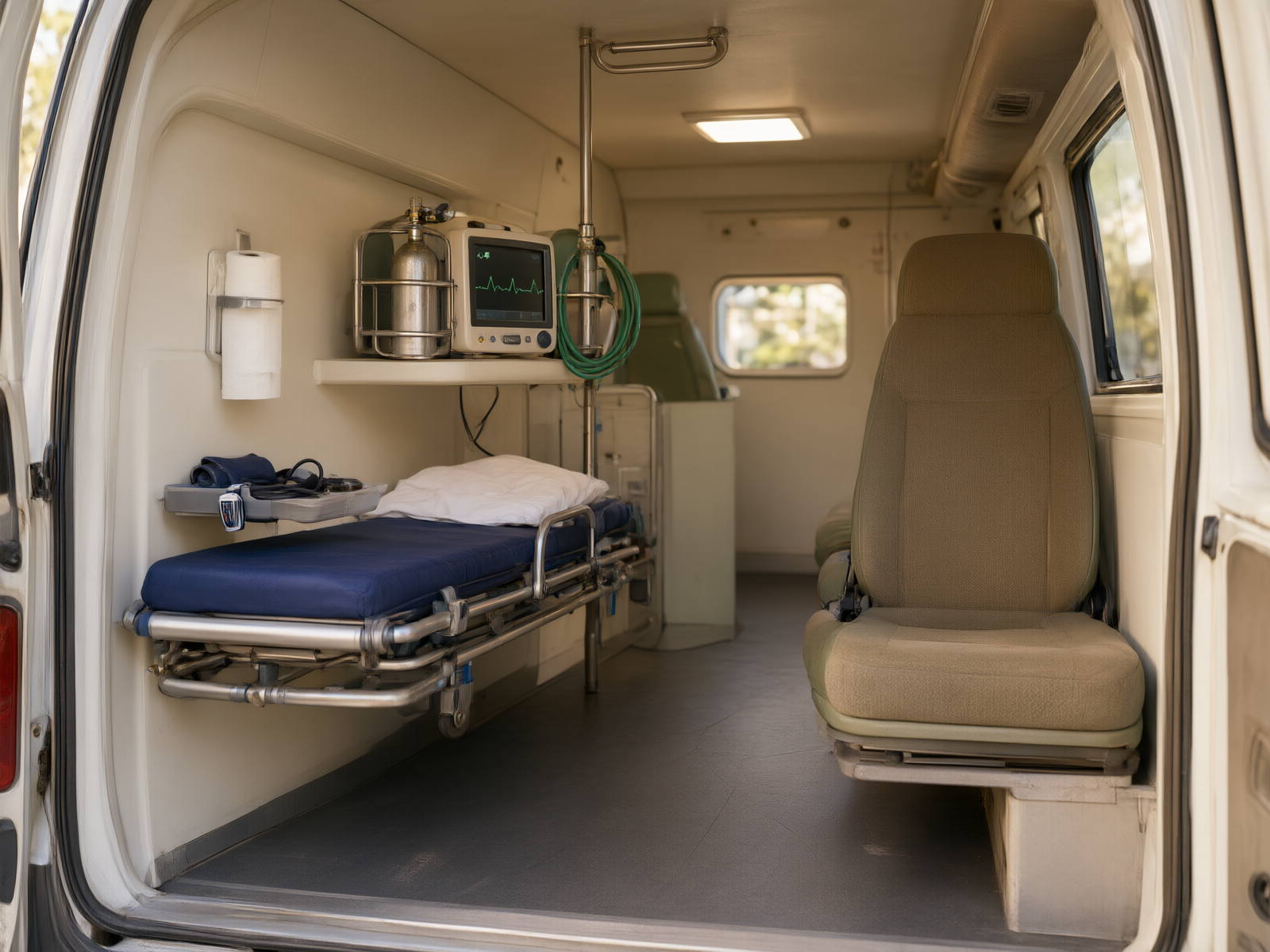
Non-emergency medical transport vehicles are configured with safety as the top priority. They are equipped with wheelchair restraints, stretchers, basic vital sign monitoring devices (blood pressure monitors, pulse oximeters), and oxygen supplies. Onboard staff includes professionally trained nurses or medical transport specialists. Some vehicles also feature GPS tracking and continuous video surveillance, allowing family members to monitor the trip status in real time.
The difference can be summed up in one sentence: 120 addresses "getting to the hospital alive," while non-emergency transport ensures a "safe and comfortable arrival at the destination."
What is the difference between fee structure and payment methods?
120 emergency services are publicly funded, priced by local authorities, and reimbursed through insurance per policy. Non-emergency medical transport is a market-based service; fees are set by operators based on mileage, equipment use, and staffing, and are not covered by insurance.
When selecting non-emergency transport services, family members should verify that the provider can issue a compliant invoice for non-emergency medical transport. This is a fundamental indicator of the company's regulatory compliance.
What are the differences in ride-hailing methods and service processes?
120 can only be requested by calling the emergency number 120. The dispatch center assigns vehicles based on proximity; family members cannot pre-book or select specific vehicles. Non-emergency medical transport can be scheduled in advance through official transport company hotlines or online channels, allowing families to choose vehicle types, set appointment times, and specify routes according to patient needs.
When selecting non-emergency medical transport services, families should verify the following: whether the operator holds valid medical transport licensing; if onboard staff are professionally trained and certified; whether pricing is transparent and official receipts are provided; and if 24-hour response support is available.
Kangshun Transport has 5 years of dedicated experience in non-emergency medical transport, served over 5000+ patients, operates branch offices in 21 key cities nationwide, provides official invoices for non-emergency transport services, and supports 24-hour appointment response.

Judgment Summary
120 and non-emergency medical transport both belong to the medical transportation system, but they serve entirely different scenarios. The former addresses life-threatening emergencies, while the latter ensures safe travel once a patient's condition is stable. Before requesting a ride, family members can quickly determine which type of vehicle to call by asking one simple question: Does the patient require immediate emergency care? Choosing the right service ensures patients receive appropriate care and reserves emergency resources for those who need them most.
Reference
- [1]Regulations on the Administration of Medical Institutions— Government of China
- [2]Administrative Measures for Pre-hospital Medical Emergency Care— National Health Commission
- [3]"Non-Emergency Medical Transportation Service Standards"— Ministry of Transport
- [4]Essential Knowledge and Precautions for Emergency Medical Transport— Official Website of the Chinese Government
The information above is for educational purposes only. Specific policies are subject to those issued by local health authorities.

